 By Hora Times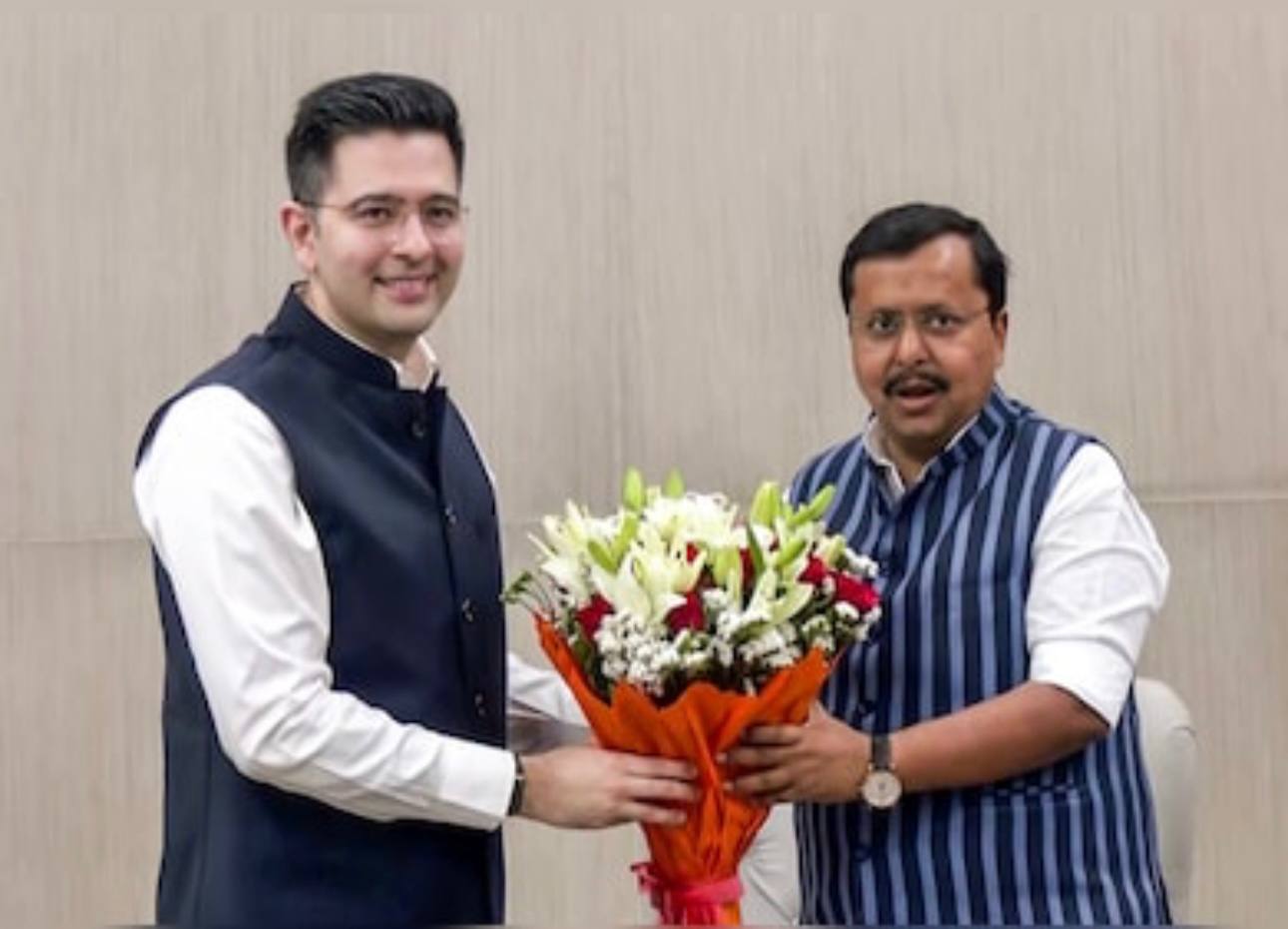
The Indian political landscape witnessed a tectonic shift on April 24, 2026, as Raghav Chadha, a prominent leader and former face of the Aam Aadmi Party (AAP), officially resigned to join the Bharatiya Janata Party (BJP). This move was not an isolated exit; it was accompanied by a significant group of Rajya Sabha MPs, signaling a major challenge for the AAP.
A Calculated Move
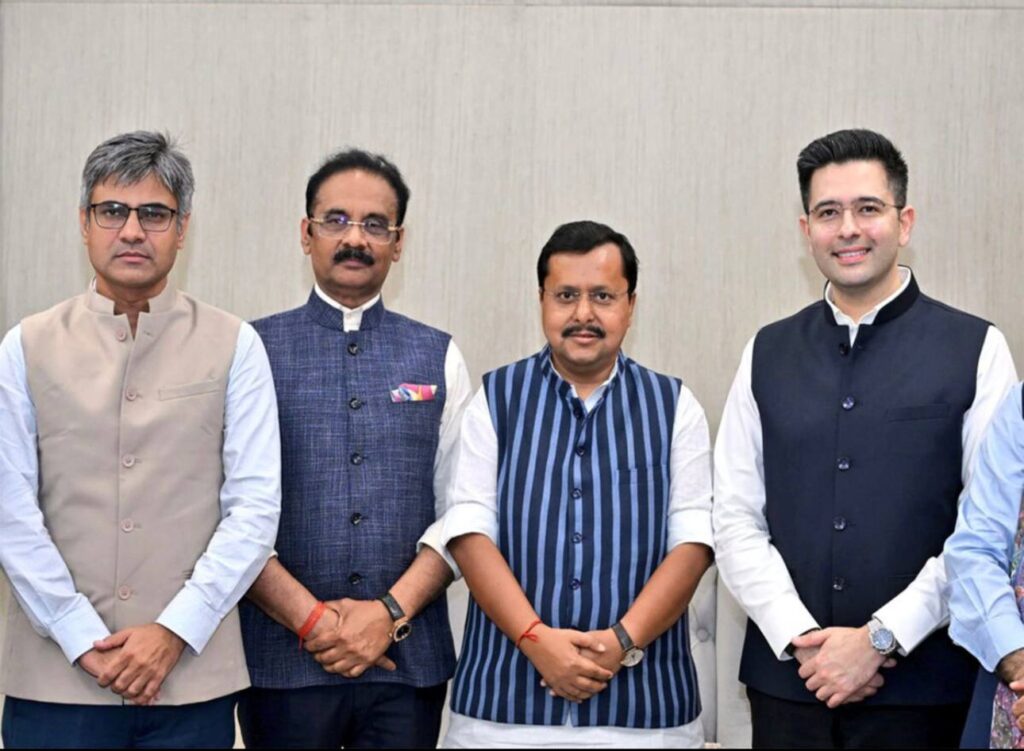
In a press conference held at the BJP headquarters, Chadha, joined by senior MPs like Ashok Mittal and Sandeep Pathak, declared that two-thirds of the AAP’s Rajya Sabha members were exercising constitutional provisions to merge with the BJP. By ensuring a two-thirds majority in this move, the defecting members effectively maneuvered to avoid disqualification under India’s anti-defection law. Chadha characterized his departure as a difficult but necessary step, labeling himself “the right man in the wrong party” and accusing the AAP of straying from its foundational principles of honest politics.
The End of an Era for AAP
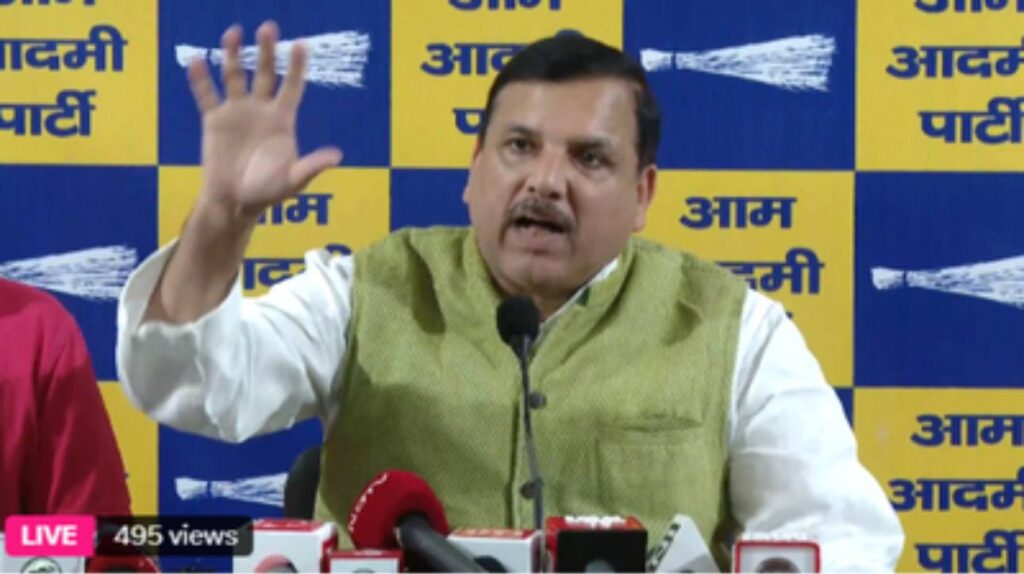
This high-profile defection marks the culmination of months of internal turmoil, which intensified after Chadha was removed from his position as deputy leader in the Rajya Sabha. For the Aam Aadmi Party, the loss is multifaceted, stripping the party of key articulate voices and creating an existential crisis as it prepares for the upcoming 2027 Punjab assembly elections. While AAP leadership has labeled the departure a “betrayal” and a result of political maneuvering, the move has undoubtedly reshaped the political dynamics in the capital and beyond.